
 English
 繁体中文
繁体中文 简体中文
简体中文

I. Introduction
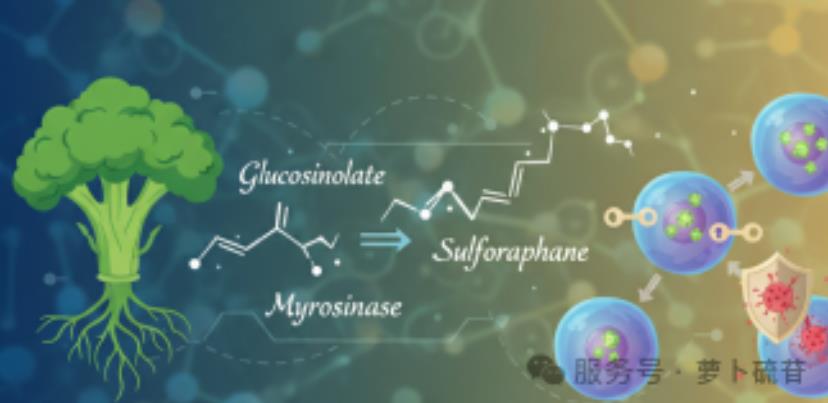
Glucoraphanin (GR) is a thioglucoside naturally found in cruciferous vegetables, especially broccoli seeds and sprouts. It is itself a biologically active proctor, which is hydrolyzed into sulforaphane (SFN) with strong biological activity under the action of Myrosinase. In recent years, radiss has become a research hotspot in the field of biomedicine because of its wide pharmacological activity and good safety. This report aims to summarize the efficacy and clinical research progress of radiculine in anti-tumor, antioxidant, anti-inflammatory and neurological protection. II. Core pharmacological activity and mechanism of action.
The various biological activities of radic acid (SFN) mainly come from its powerful chemical protective effect. The core mechanisms include: activating the Nrf2 signaling pathway: radic acid is an effective activator of nuclear factor E2 correlation factor 2 (Nrf2). Nrf2 is a key regulatory factor in intracellular resistance to oxidative stress. After activation, it can upregulate the expression of a variety of detoxification enzymes (such as glutathione S-transferase, quinone oxidoreductase, etc.) and antioxidant proteins, thus protecting cells from free radicals and environmental toxins. Regulate the inflammatory pathway: Radic acid can inhibit the production of inflammatory factors by regulating signaling pathways such as NF-κB and exert a strong anti-inflammatory effect.
III. Main curative effect and research progress
1. 🎯 Anticancer Effects
The anti-tumor effect of sulfurine is one of its most concerned effects, showing the prevention and treatment potential for a variety of cancers (such as lung cancer, prostate cancer, breast cancer, bladder cancer, pancreatic cancer, etc.). Inhibition of tumor progression: by regulating gene expression, inducing apoptosis, inhibiting cell proliferation and migration. Targeted cancer stem cells (CSC): Research shows that SFN can target cancer stem cells of different cancer types, which is essential for preventing tumor metastasis and recurrence.
Chemical sensitizer: SFN can be combined with common clinical anti-cancer drugs (such as cisplatin, paclitaxel, etc.) to enhance the drug sensitivity of cancer cells, reduce drug resistance, and reduce the side effects of radiotherapy. Cancer chemical prevention: Clinical trials (such as research conducted in Qidong, China) have confirmed that preparations rich in radish thioside/radish thioside can accelerate the detoxification and excretion of potential carcinogens (such as air pollutants benzene, acryl and aflatoxin) and reduce their related long-term health risks.
2. 🧠 Neuroprotection & Mental Health
Because SFN can pass through the blood-brain barrier, its antioxidant and anti-inflammatory properties are widely used in the study of neurological diseases. Improve cognitive function: SFN activates Nrf2 to protect nerve cells from oxidative pressure. Neurodegenerative.
3. 🛡️ Other Potential Benefits
Anti-inflammatory: Regulate the NF-κB or Nrf2 pathway, which is used to prevent neurodegenerative diseases, stroke and enteritis, etc. Metabolic diseases: have the potential to improve inflammatory chronic diseases, such as reducing the concentration of insulin levels in patients with type 2 diabetes. Reduce the body fat content of obese patients. Cardiovascular disease: Prevent cardiovascular disease by activating vascular endothelial cells and regulating the proliferation of vascular smooth muscle cells.
IV. Safety and preparation development
1. Security
Many studies have shown that preparations with a long-term oral dose range of 9~36mg SFN in the human body have good tolerance and no obvious adverse reactions. A few side effects reported include constipation, nausea and intestinal gas bloating. This shows that SFN has the potential to develop into a functional food or clinical drug. 2. Development of preparations
Because the efficiency of converting radish thioside into active radish thion is affected by many factors, researchers are developing new compositions to improve bioavailability. For example, the combination of radish thioside with functional oligosaccharide can significantly improve the conversion rate of radish thioside to radish thion in the intestine, thus enhancing its efficacy. V. Conclusion and Outlook
The active metabolite of radish thioside (SFN), is a natural compound with broad-spectrum pharmacological activity, which has great application potential in many fields such as anti-cancer, anti-inflammatory, antioxidant and nerve protection. With the promotion of more clinical trials
With the development of new high-conversion-rate preparations, sulfurified radish is expected to become an important natural drug or functional food ingredient for cancer chemical prevention, adjuvant treatment and a variety of chronic disease intervention.
